Commodities
Farm, livestock, textile and mineral goods we support.
Each commodity follows the rules that apply to it, with the right evidence generated automatically from the same field records.
01 · 4 commodities
Export crops
Cash crops and forest products from smallholder farms, plantations and concessions, mapped plot by plot and traced through aggregation and processing.
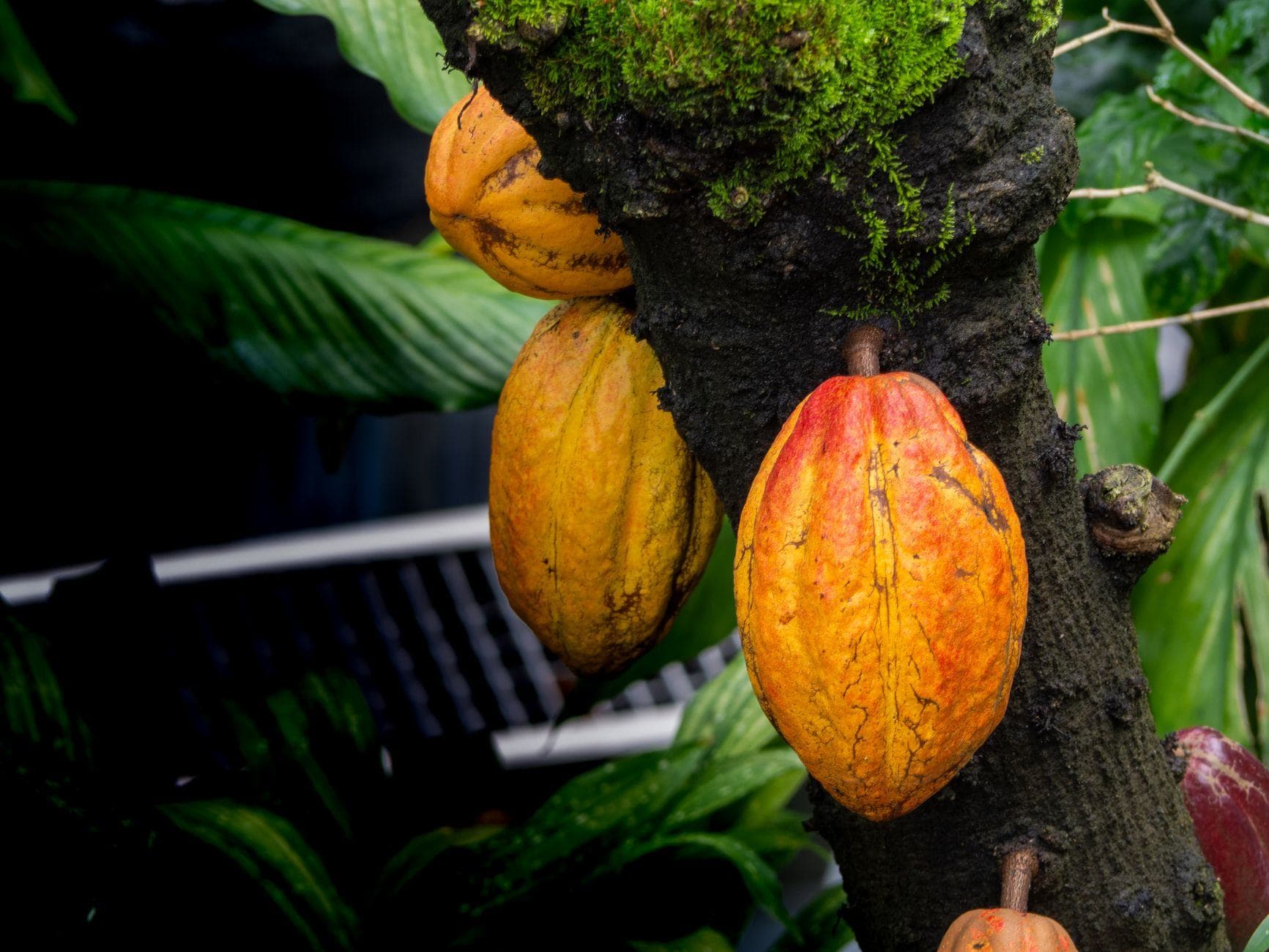
Cocoa & Coffee
Cocoa and coffee come from millions of smallholdings, and both are covered by the EUDR. They are where plot-level evidence matters most and is hardest to collect.
What POINT captures
- Farmer registry and plot geolocation
- Farm-gate weights and quality grades
- Cooperative and buying-centre transfers
- Warehouse and processing lots
What you can share
- Due diligence data with GeoJSON
- Deforestation screening report
- Certificate of origin
- Phytosanitary and quality certificates
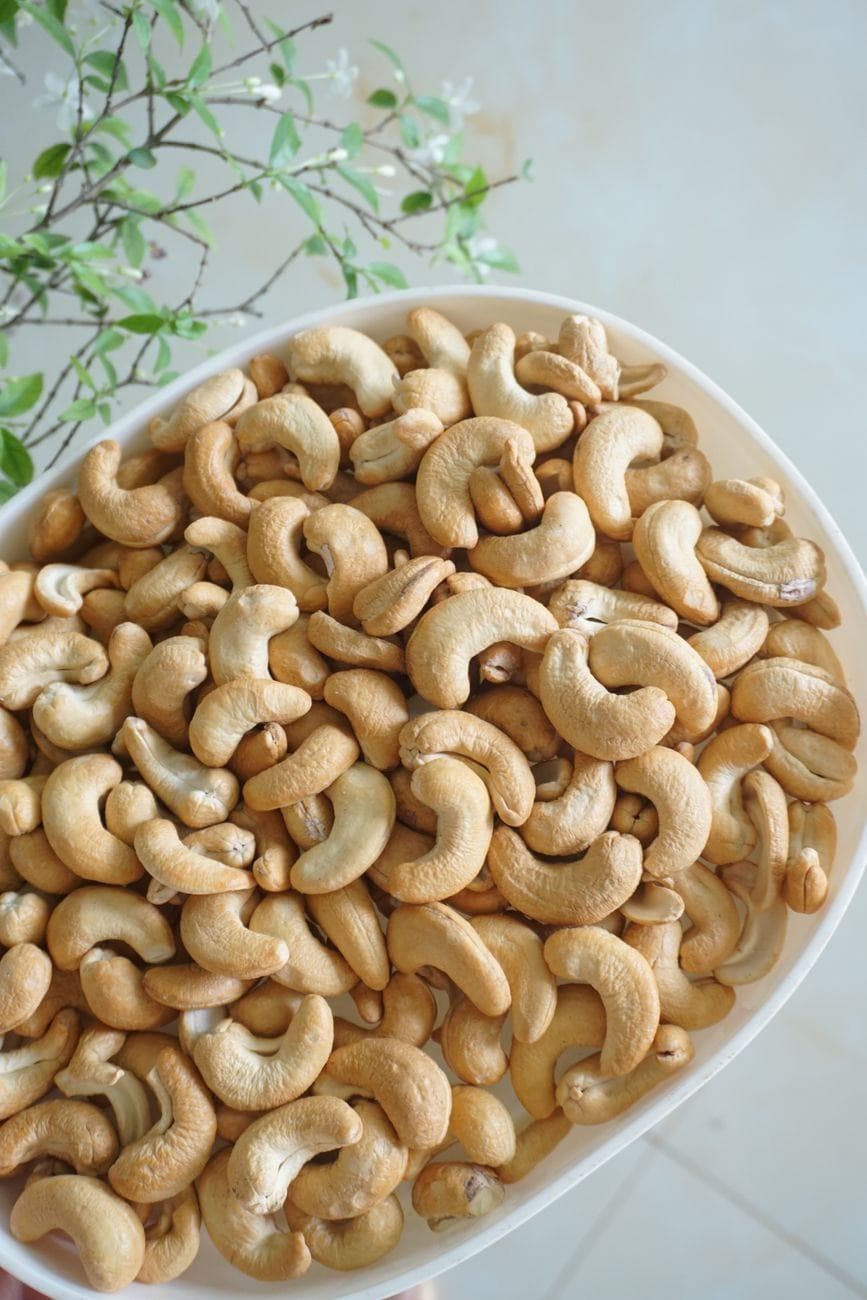
Cashew & Sesame
Cashew and sesame are not EUDR commodities, but buyers increasingly expect the same origin evidence through their own sourcing policies and wider due diligence rules. Traceability also protects grade premiums.
What POINT captures
- Producer and aggregator records
- Lot weights, moisture and outturn
- Processing yields and grading
- Container and seal records
What you can share
- Origin and custody report
- Quality and lab certificates
- Certificate of origin
- Phytosanitary certificate
Shea & Palm Oil
Palm oil is covered by the EUDR. Shea is not, but cosmetic and food brands ask for traceability to the women's groups and collectors who supply it. POINT handles both with the same records.
What POINT captures
- Plantation and smallholder plots
- Collector group membership
- Mill and processing intake
- Batch transformation records
What you can share
- Due diligence data with GeoJSON
- Mill-to-plot traceability report
- Quality certificates
- Certificate of origin
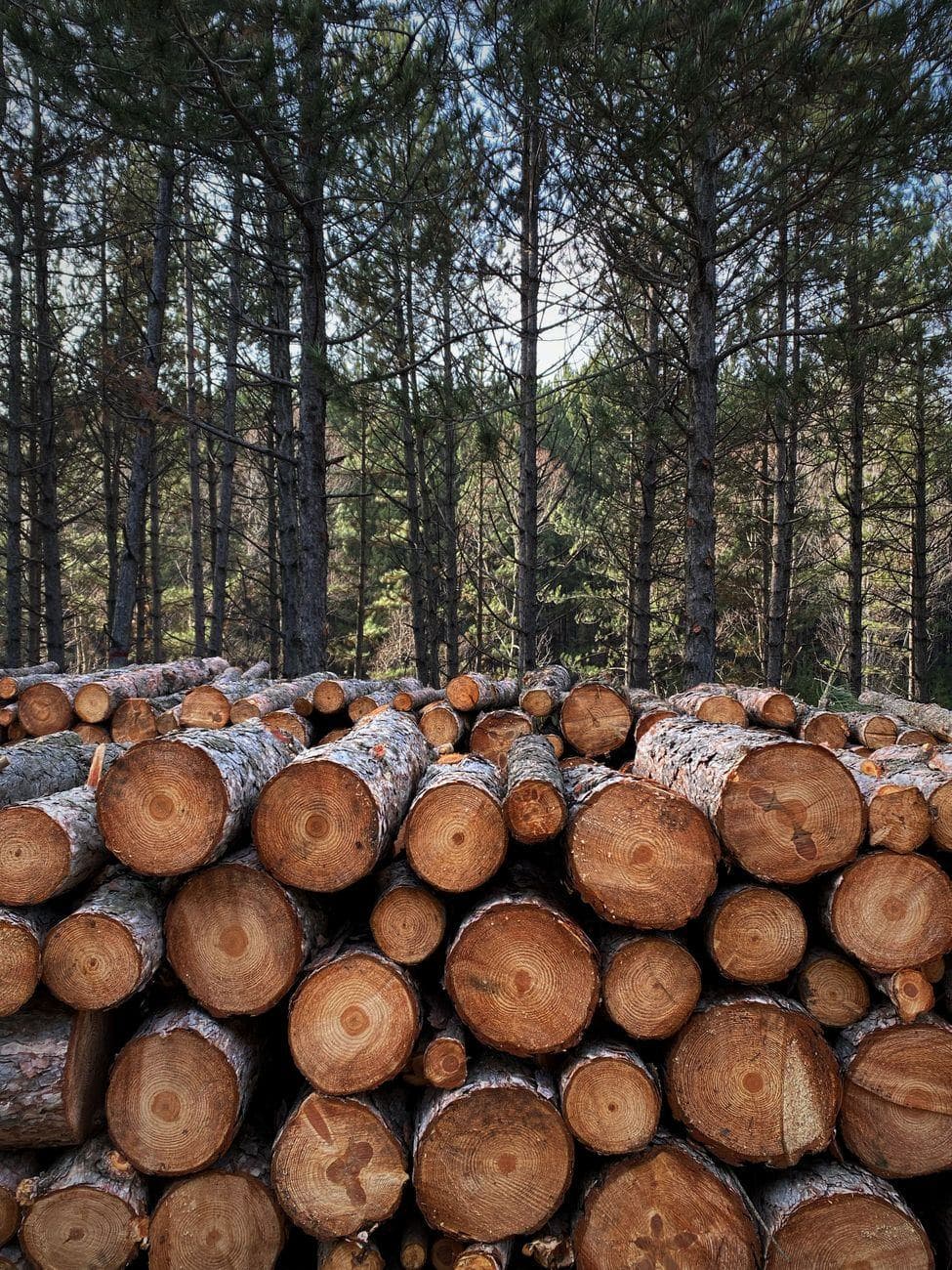
Timber & Rubber
Wood and rubber are covered by the EUDR, and wood must also be free of forest degradation. Timber exports to the US fall under the Lacey Act's legality requirements.
What POINT captures
- Concession and plantation boundaries
- Harvest permits and species
- Log and sawmill transformation
- Transport and export records
What you can share
- Due diligence data with GeoJSON
- Degradation and deforestation screening
- Lacey Act declaration data
- Legality evidence pack
02 · 3 commodities
Food & general agriculture
Everyday food and feed for import-dependent markets. Water-scarce Gulf states import most of their food and much of their animal feed, and their buyers want proof of origin, quality and safety with every shipment.
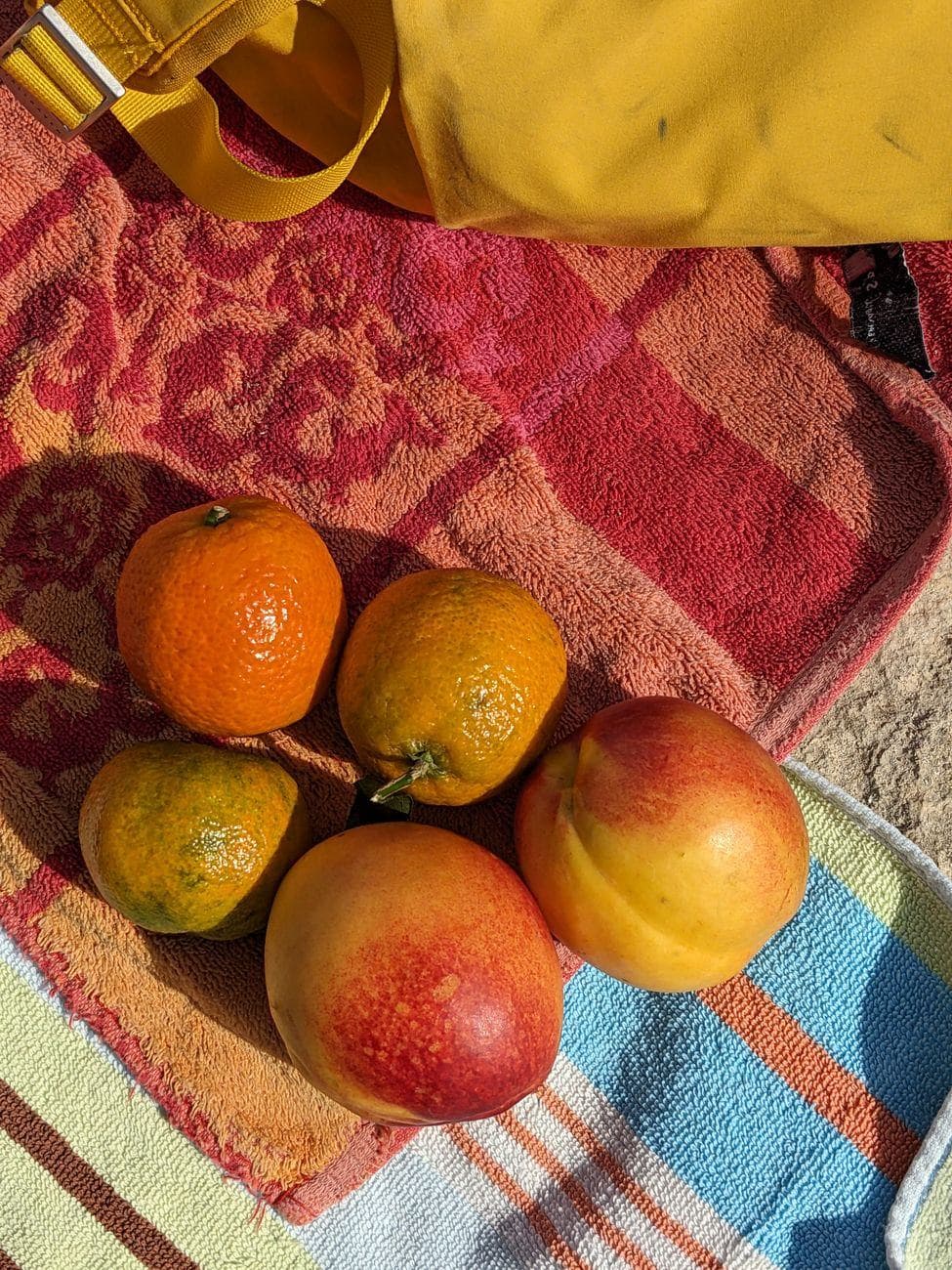
Fresh Fruit & Vegetables
Fresh produce moves fast and spoils fast, so importers check pesticide residues, plant health and cold chain records before they accept a shipment. POINT links each pallet to the growers, harvest dates and test results behind it.
What POINT captures
- Grower and farm registration with geolocation
- Harvest dates and lot codes
- Spray records and residue test results
- Packhouse and cold chain records
What you can share
- Phytosanitary certificate data
- Pesticide residue test results
- GLOBALG.A.P. records
- Certificate of origin
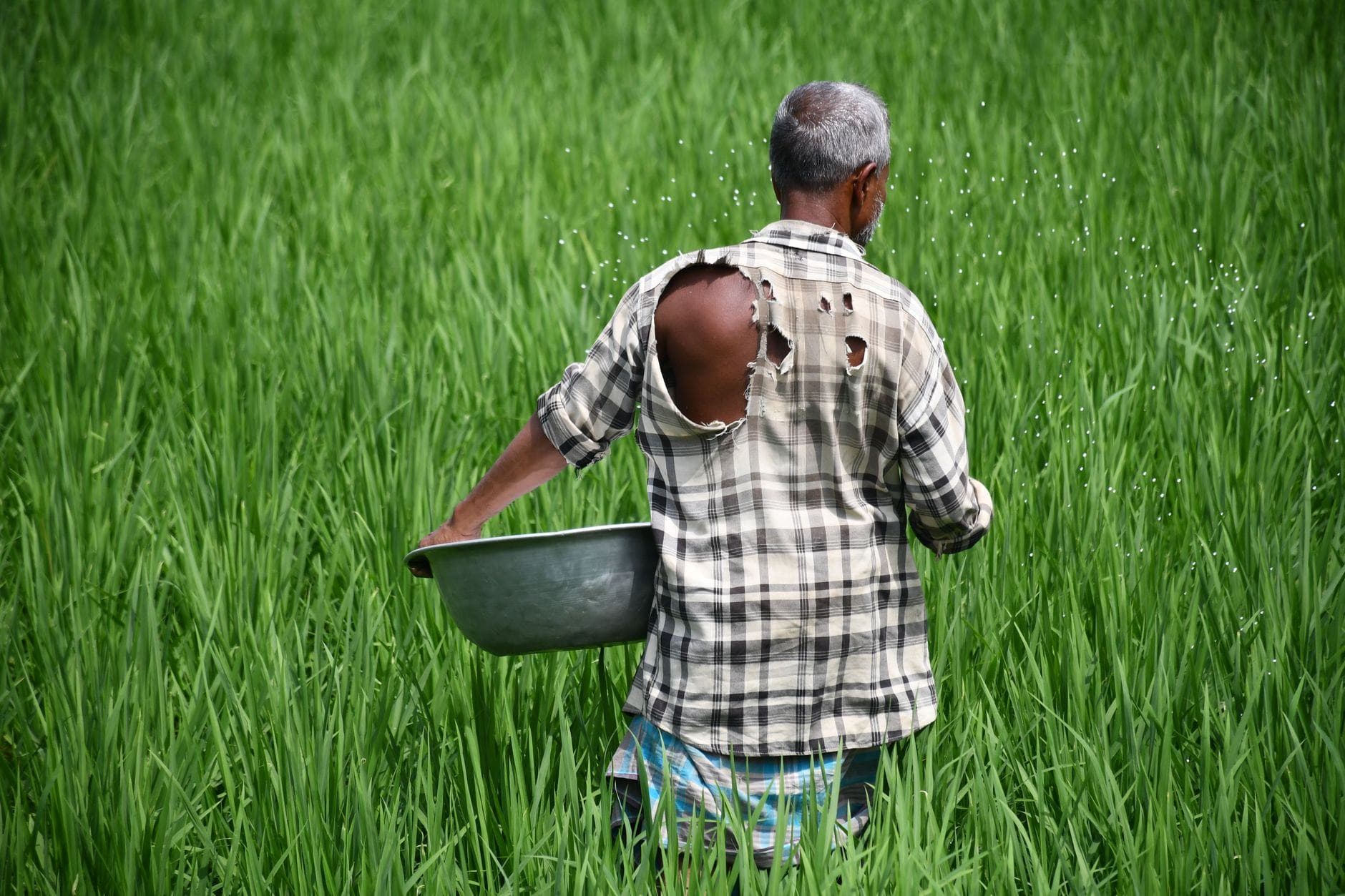
Grains, Rice & Pulses
Rice, maize, sorghum, beans and other staples are traded in large volumes into food-importing markets. Buyers want origin, quality grades, moisture and contaminant tests such as aflatoxin, and records of storage and fumigation.
What POINT captures
- Farmer and plot registry
- Harvest, moisture and grading
- Warehouse storage and fumigation
- Milling and processing lots
What you can share
- Quality and lab certificates (including aflatoxin)
- Fumigation certificate data
- Phytosanitary certificate data
- Certificate of origin
Animal Feed & Fodder
Growing green fodder takes a lot of water, so Gulf livestock producers import much of their hay, alfalfa and feed. Importers ask for plant health and quality evidence, and feed made from soy falls under the EUDR when it is sold into Europe.
What POINT captures
- Farm and field registration
- Cutting, baling and lot records
- Moisture and nutritional analysis
- Storage and dispatch records
What you can share
- Phytosanitary certificate data
- Quality analysis reports
- Due diligence data for soy-based feed
- Certificate of origin
03 · 3 commodities
Meat & livestock
Animals and animal products traced from farm or ranch through slaughter and processing to export, with the health, halal and deforestation evidence importers ask for.

Cattle & Beef
Cattle and beef are covered by the EUDR, which asks for the geolocation of every establishment where the animals were kept. Importing countries also require approved establishments and official health certificates, and Gulf markets require halal certification.
What POINT captures
- Farm and ranch registration with geolocation
- Animal IDs, movements and holdings
- Slaughterhouse intake and carcass records
- Veterinary and health records
What you can share
- Due diligence data with establishment geolocation
- Animal movement history
- Health certificate data
- Halal certificate records
Hides & Leather
Cattle hides and leather are covered by the EUDR as cattle products, so tanneries and exporters need to link each hide lot back to the establishments where the animals were raised.
What POINT captures
- Slaughterhouse and hide collection records
- Links from hide lots to source establishments
- Tannery batch transformation
- Container and seal records
What you can share
- Due diligence data with establishment geolocation
- Hide-to-farm custody report
- Certificate of origin
- Export documentation
Poultry, Sheep & Goat
Small livestock isn't covered by the EUDR, but export markets still require approved establishments, health certification and, for many Gulf markets, halal certification. POINT keeps those records linked to every consignment.
What POINT captures
- Farm and flock registration
- Vaccination and veterinary records
- Slaughter and processing batches
- Cold chain and dispatch records
What you can share
- Health certificate data
- Halal certificate records
- Batch traceability report
- Certificate of origin
04 · 3 commodities
Textiles & fibres
Cotton and other fibres traced from the farm through ginning, spinning, weaving and garment making, with the forced labour, labelling and product passport evidence brands and importers need.

Cotton & Fibre
Cotton is grown by millions of smallholders, including across West and Central Africa, and it's a priority sector for forced labour enforcement. Buyers want traceability from each bale back to the farms that grew it.
What POINT captures
- Farmer and plot registry
- Seed cotton purchases and weights
- Ginning lots and bale IDs
- Transport to spinners
What you can share
- Bale-to-farm custody report
- Origin evidence for forced labour reviews
- Certification records
- Certificate of origin
Yarn & Fabric
Spinning, weaving and dyeing blend fibre from many sources. Recording which bale lots went into each yarn and fabric batch keeps the link to origin unbroken through processing.
What POINT captures
- Bale intake for each spinning lot
- Yarn and fabric batch transformations
- Dyeing and finishing records
- Chemical and input records
What you can share
- Fibre origin by batch
- Transformation records
- Data for certification transaction certificates
- Certificate of origin
Garments & Apparel
Brands and retailers have to show where garments were made and what they contain, from fibre composition labels to the EU's coming digital product passports. POINT gives each order a traceable record from fibre to finished piece.
What POINT captures
- Factory and subcontractor mapping
- Production orders linked to fabric batches
- Worker and social audit records
- Packing and shipment records
What you can share
- Fibre-to-garment traceability record
- Fibre composition data for labels
- Data for digital product passports
- Social compliance records
05 · 4 commodities
Minerals & metals
Gold, gemstones, lithium, tin, tantalum, lead, zinc and other minerals, with mine-site records and chain of custody from mine to smelter or refinery, aligned with OECD due diligence.
Lithium & Battery Minerals
West Africa is becoming a source of lithium and other battery minerals. Battery makers and carmakers selling into Europe now have to show where these minerals came from and how they were mined, so buyers ask for mine-site and custody records with every lot.
What POINT captures
- Mine and pit site identification
- Ore grades, weights and bagging
- Processing and concentrate lots
- Trader and transporter handoffs
What you can share
- Battery due diligence data
- OECD due diligence report
- Chain of custody record
- Export documentation
Tin, Tantalum & Tungsten
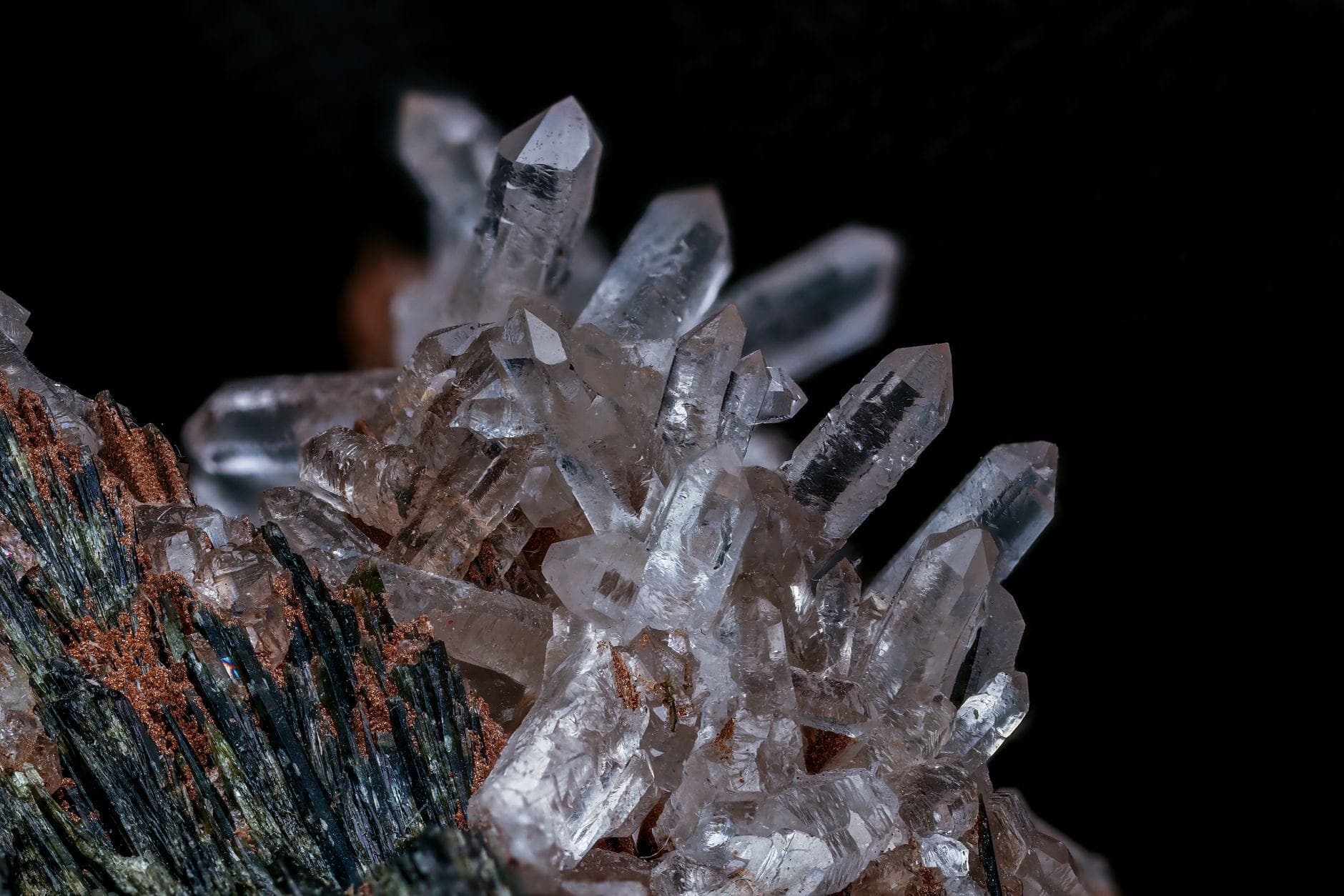
Buyers of tin, tantalum and tungsten expect OECD-aligned due diligence, with clear mine-site identification and custody from mine to export, especially from conflict-affected and high-risk areas.
What POINT captures
- Mine site identification and status
- Bagging, tagging and weights
- Trader and transporter handoffs
- Taxes and royalties paid
What you can share
- OECD due diligence report
- Chain of custody record
- Red flag assessment
- Export documentation
Industrial & Base Minerals
Lead, zinc, copper, barite, bauxite, iron ore and other bulk minerals are sold to smelters and industrial buyers who increasingly screen their suppliers for legality, child labour and environmental risk. POINT gives each consignment a record from the mine to the port.
What POINT captures
- Mine and licence records
- Ore grades, weights and lot IDs
- Stockpile and processing records
- Trucking, rail and port handoffs
What you can share
- Origin and custody report
- Assay and quality certificates
- Supplier risk assessment
- Export documentation
Gold & Gemstones
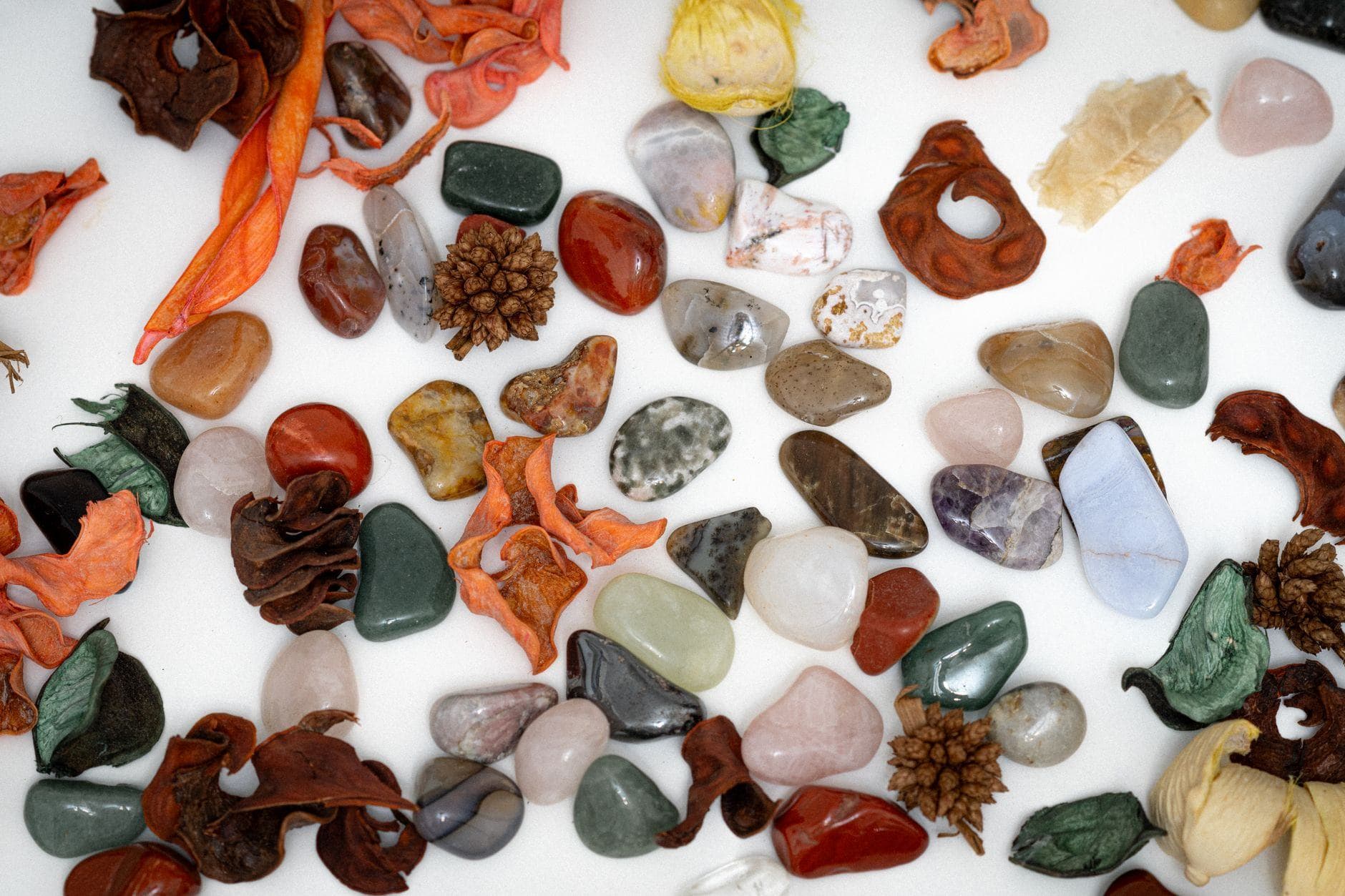
Refiners on the LBMA Good Delivery List must apply OECD-aligned due diligence to every source, and jewellers expect the same for sapphires, tourmaline, emeralds and other stones. Clean mine-to-buyer custody records make artisanal and small-scale gold and gemstones easier to sell into formal markets.
What POINT captures
- Mine and miner group registration
- Production and purchase records
- Know-your-customer documents
- Transport to export and refinery
What you can share
- LBMA-aligned due diligence pack
- Chain of custody record
- Know-your-customer file
- Red flag assessment