Platform · How it works
From harvest to port clearance, in five steps.
POINT follows the goods. Each step adds signed records to one chain of custody, so by the time the cargo reaches the port, the paperwork is already done.
The workflow
One unbroken chain of custody
- 01
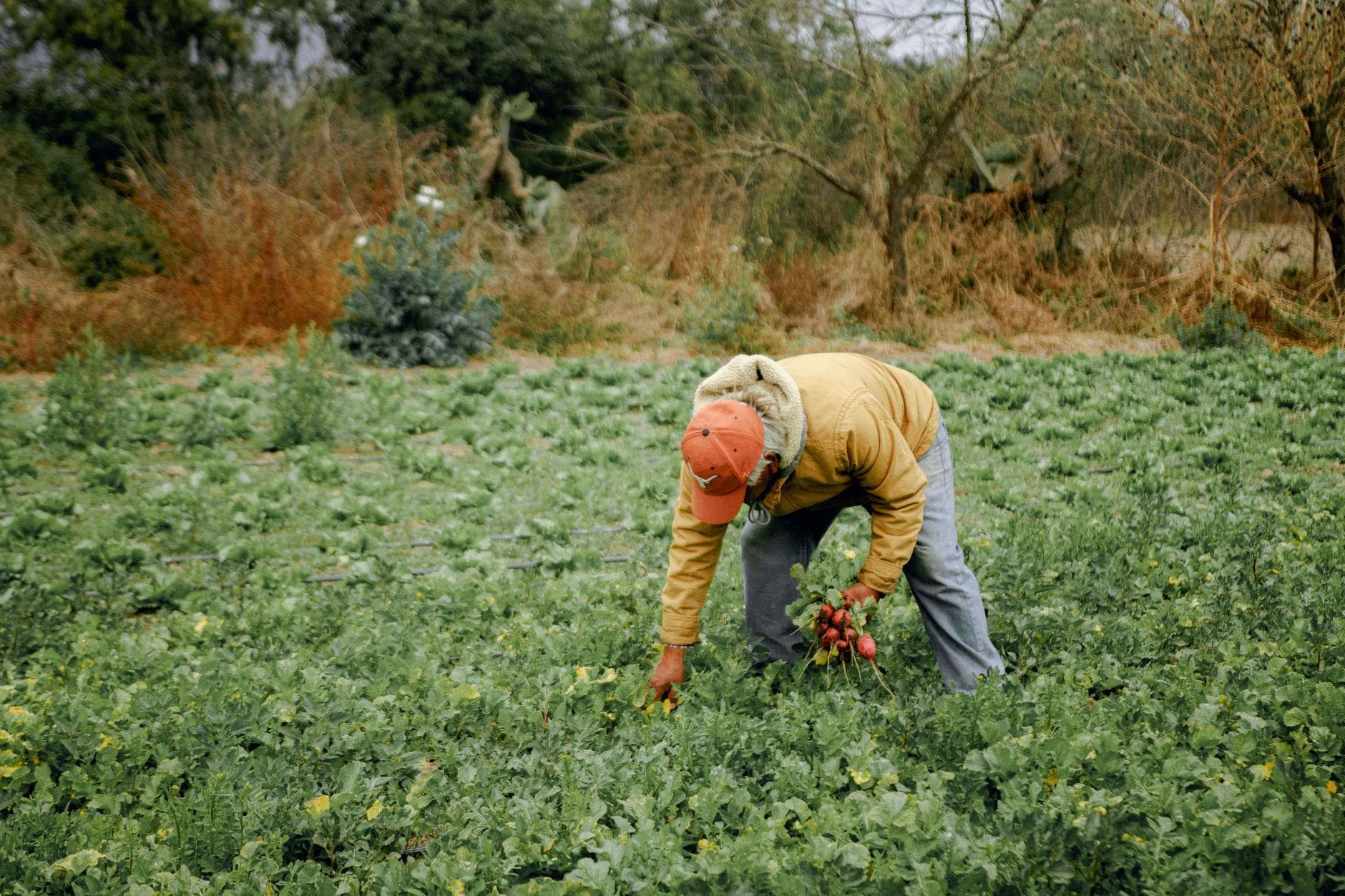
Map plots
Field agents and cooperatives
Register every farmer and walk their plot boundaries with GPS. Polygons are checked for overlaps, protected areas and implausible sizes before agents leave the farm.
- Farmer IDs, photos and consent
- GPS points and polygons to six decimal places
- Automatic deforestation screening against forest baselines
- 02
Collect offline
Buying agents
Record weights, quality grades and batch IDs at the farm gate, with no signal needed. Each record is signed on the device and syncs when the phone is back in coverage.
- Works fully offline
- Receipts for farmers that match the record
- Records can't be changed after they're signed

- 03
Track custody
Warehouses and processors
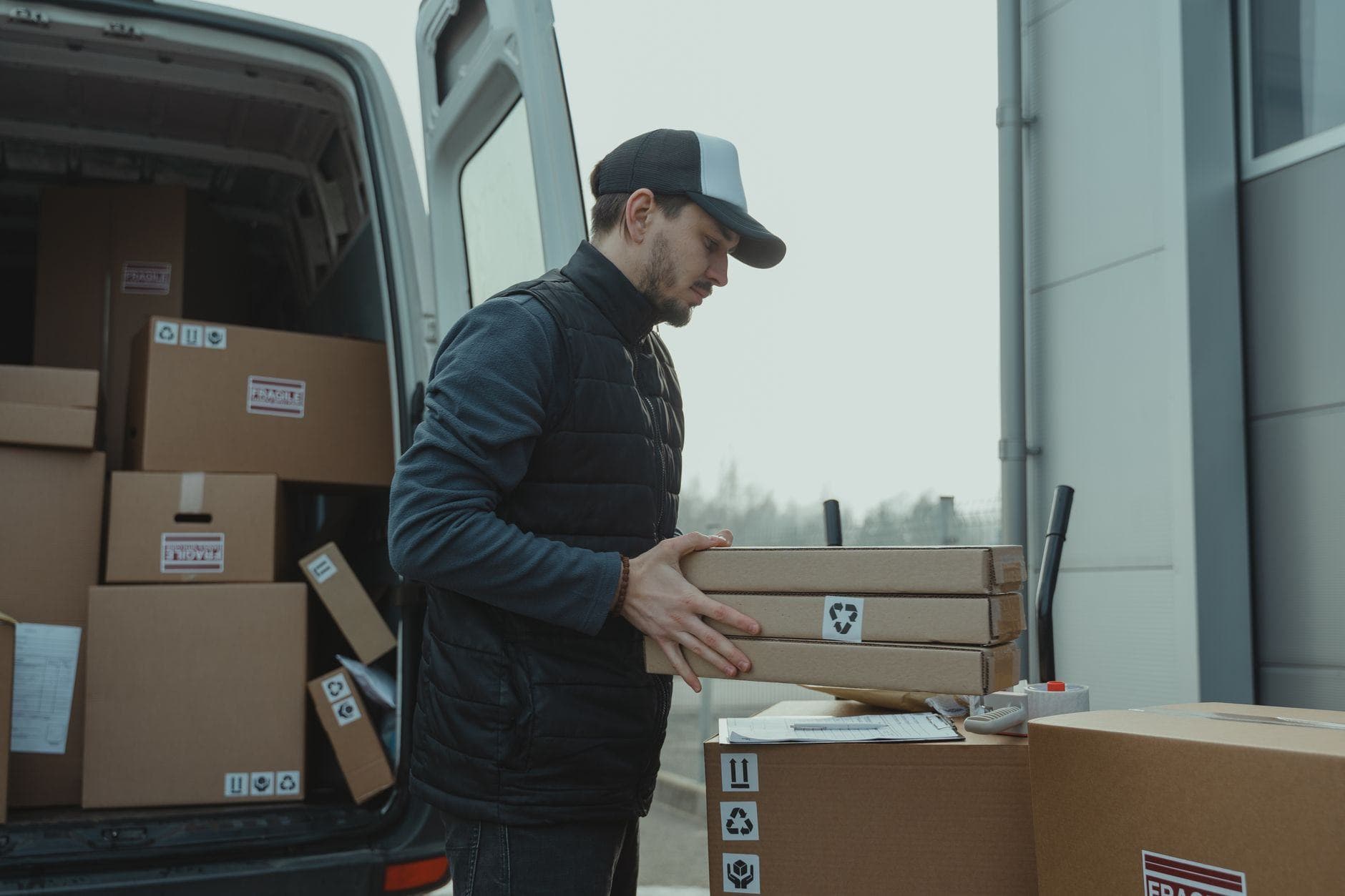
Every transfer from buying centre to warehouse to processor is logged on both sides. Input and output lots are linked, and weights are reconciled at each step.
- Lot IDs that survive re-bagging
- Dispatch and receipt confirmations
- Losses such as drying and processing yield explained
- 04
Inspect and seal
Exporters and inspectors
Pre-shipment inspection results, lab tests and container seal numbers are recorded against the export lot, so the last handoff is as clear as the first.
- Inspection and lab results attached
- Seal numbers linked to lots
- Fumigation and phytosanitary records
- 05
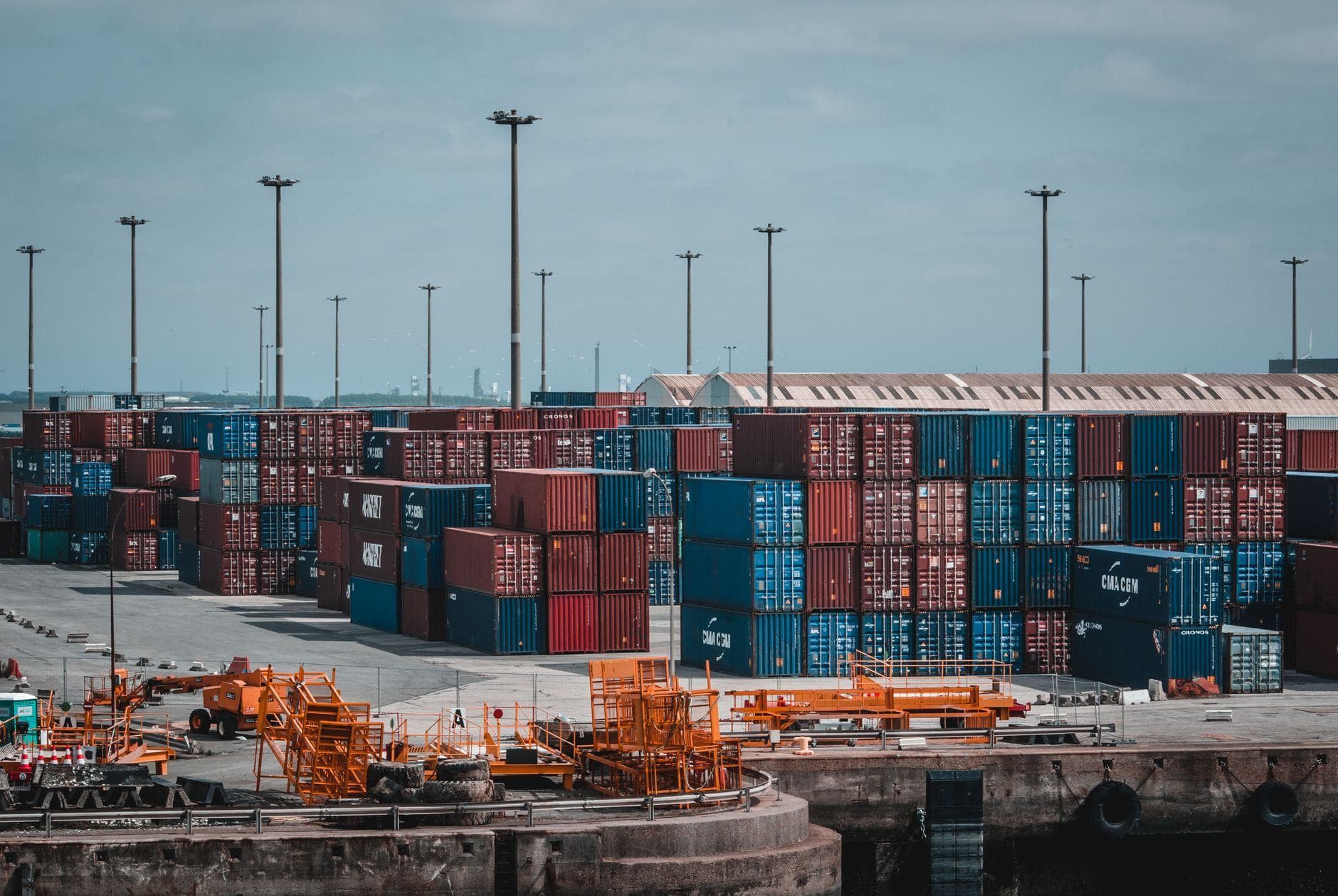
Clear the port
Buyers and customs
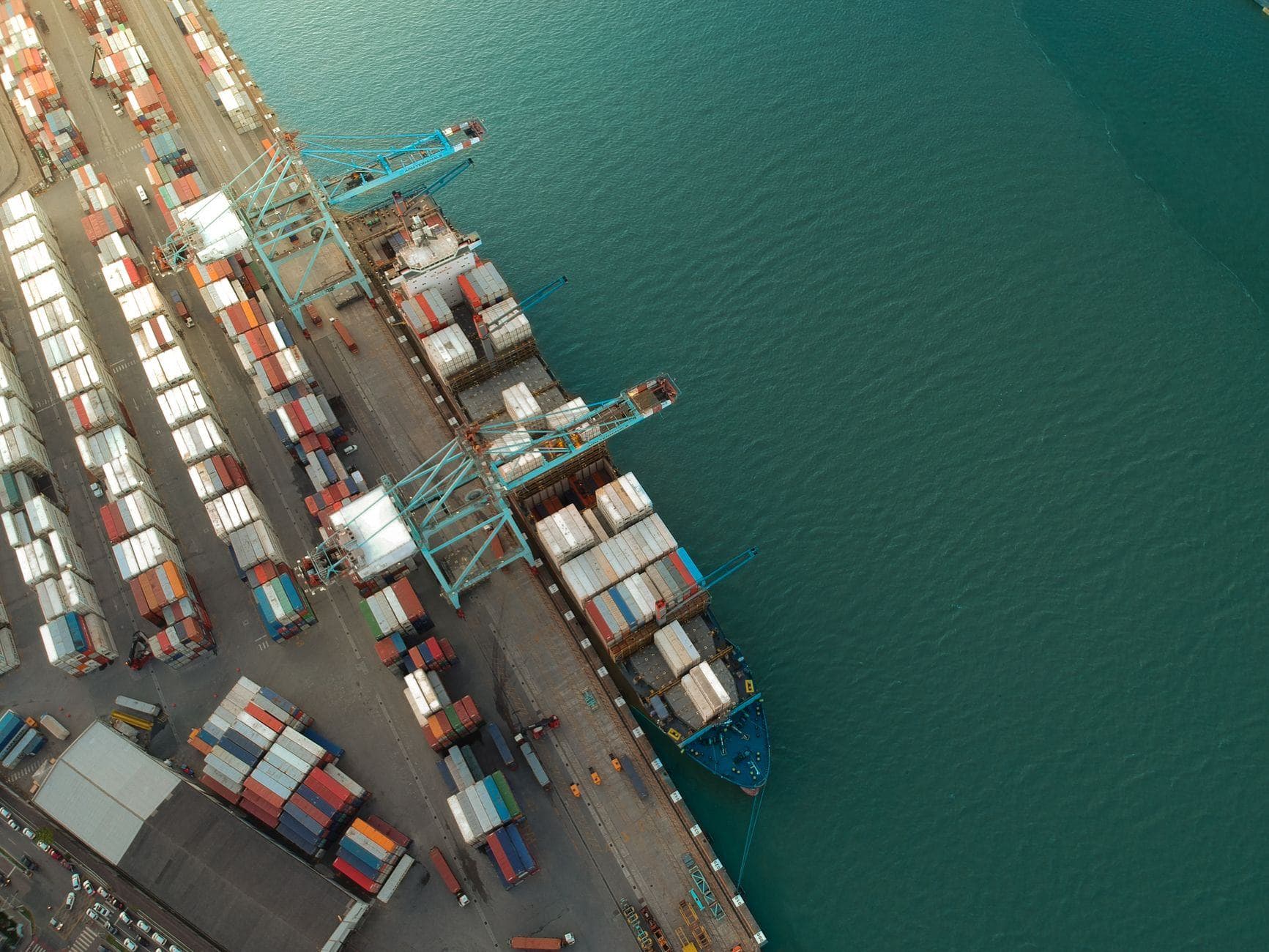
POINT compiles everything into one dossier with a QR code. Buyers use it for their due diligence, and customs officers verify it with one scan.
- Due diligence data with GeoJSON
- QR-verifiable dossier
- Shared with buyers, customs and banks in a click