Inside a customs-ready compliance dossier
What goes into a single shipment's dossier, who reads which part, and why one file beats a folder of certificates.
By the POINT team
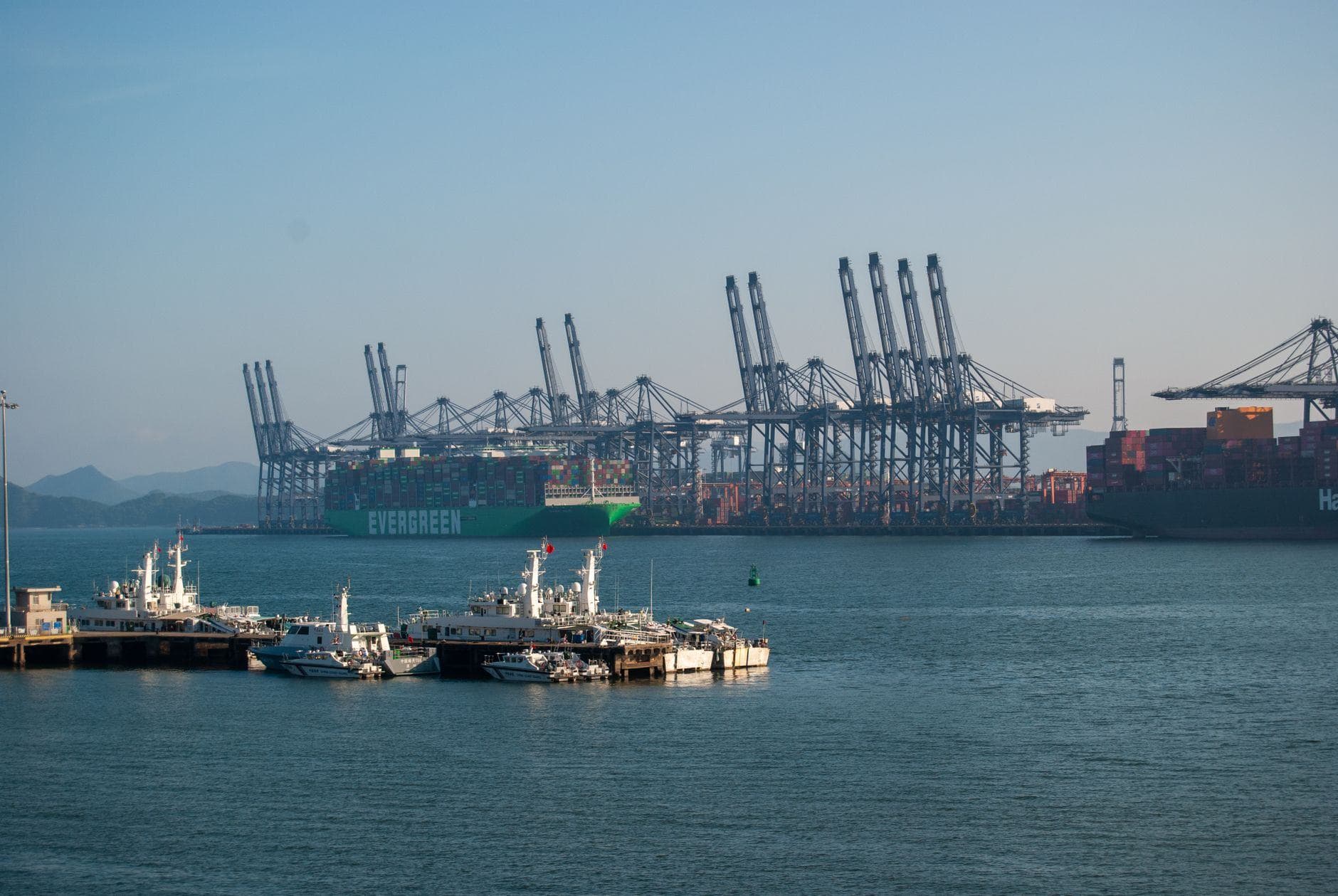
Every export shipment is checked by several readers: the buyer's compliance team, the importing country's customs authority, sometimes a bank financing the trade, and occasionally an auditor years later. Each wants different evidence, but all of them want it to agree. A compliance dossier collects that evidence into one verifiable file.
What a complete dossier contains
- Shipment summary. Commodity, HS code, quantity, buyer, vessel or consignment reference and container seal numbers.
- Origin evidence. The list of contributing producers and the geolocation of every plot, exported as GeoJSON.
- Deforestation check. Results of comparing each plot against forest cover baselines, with the reference date and data source.
- Legality evidence. Land and producer documents, permits and cooperative records relevant to the country of production.
- Custody log. Every handoff from farm gate to port, with timestamps, locations, lot IDs and reconciled weights.
- Quality and inspection. Lab results, grading, fumigation and pre-shipment inspection records.
- Trade documents. Certificate of origin, phytosanitary certificate, commercial invoice and packing list.
- Due diligence data. The information your buyer needs for their own due diligence statement, ready to submit.
Why one file, not a folder
A folder of PDFs proves that documents exist. It doesn't prove that they agree with each other. The weights on the invoice should match the custody log, and the custody log should match the farm-gate receipts. A dossier built from the same underlying records keeps these consistent by construction, and shows where they don't.
Verification in seconds
When every dossier carries a QR code linking to a tamper-evident record, a customs officer or buyer can check what they are holding against the original without emailing anyone. That shortens holds at the port, and it shifts the conversation from 'prove this is real' to 'here is what we've verified'.
Newsletter
Enjoyed this? Join the POINT community
Exporters, cooperatives, buyers and compliance teams use our updates to stay ahead of the rules. One email a month, no spam.
- Plain-language updates when trade rules change
- New guides and field notes from our team
- Invitations to POINT briefings and community sessions
Community
Learn from the people doing the work
Follow POINT for regulation news, field stories and behind-the-scenes from farms, mines and ports. Have a question or a story from the field? We'd love to hear it.
Keep reading
All insights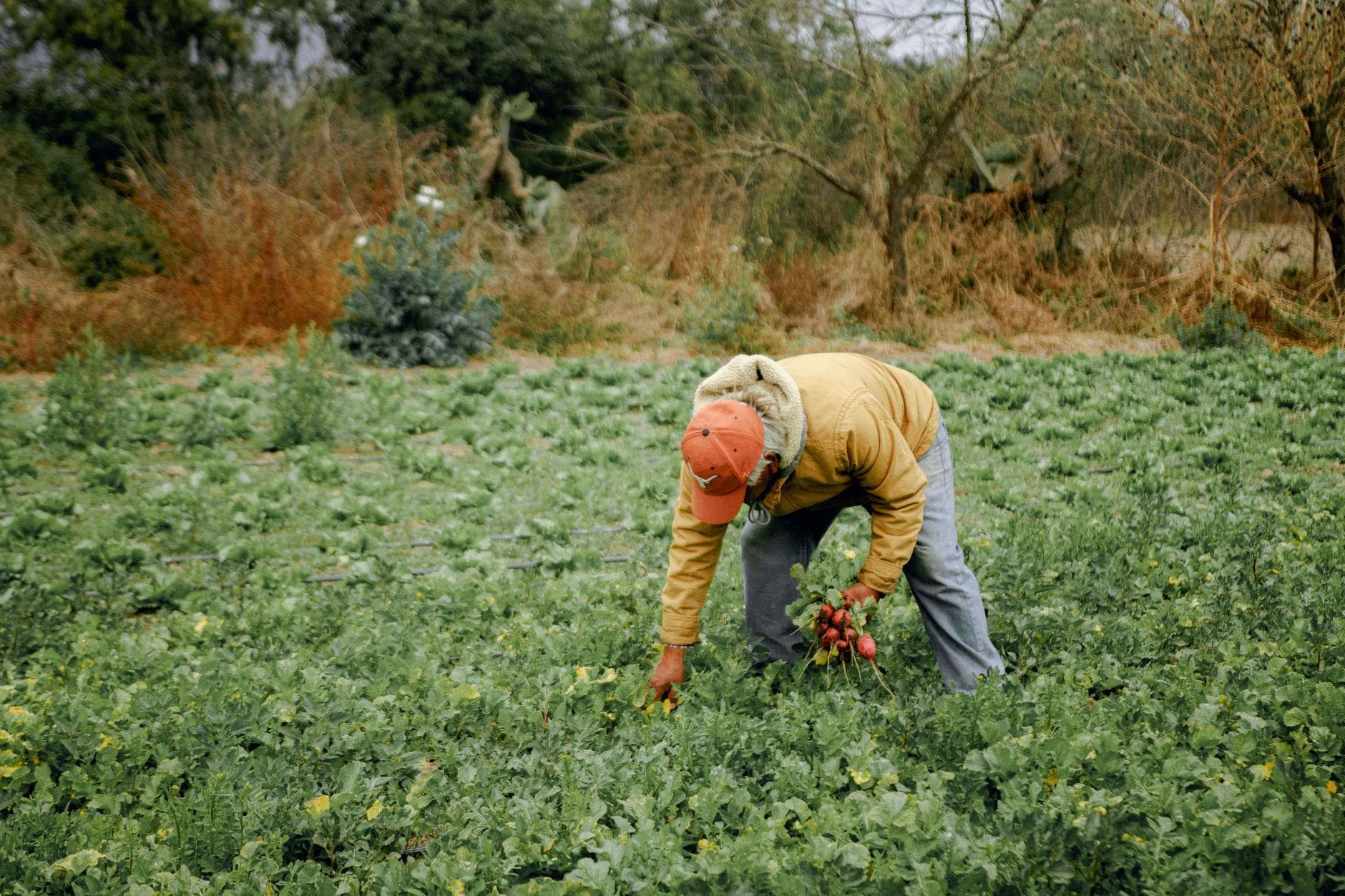
Polygon or point? Getting plot geolocation right
Six decimal places, four hectares and a closed boundary: the technical details that decide whether your plot data survives a buyer's review.
Read article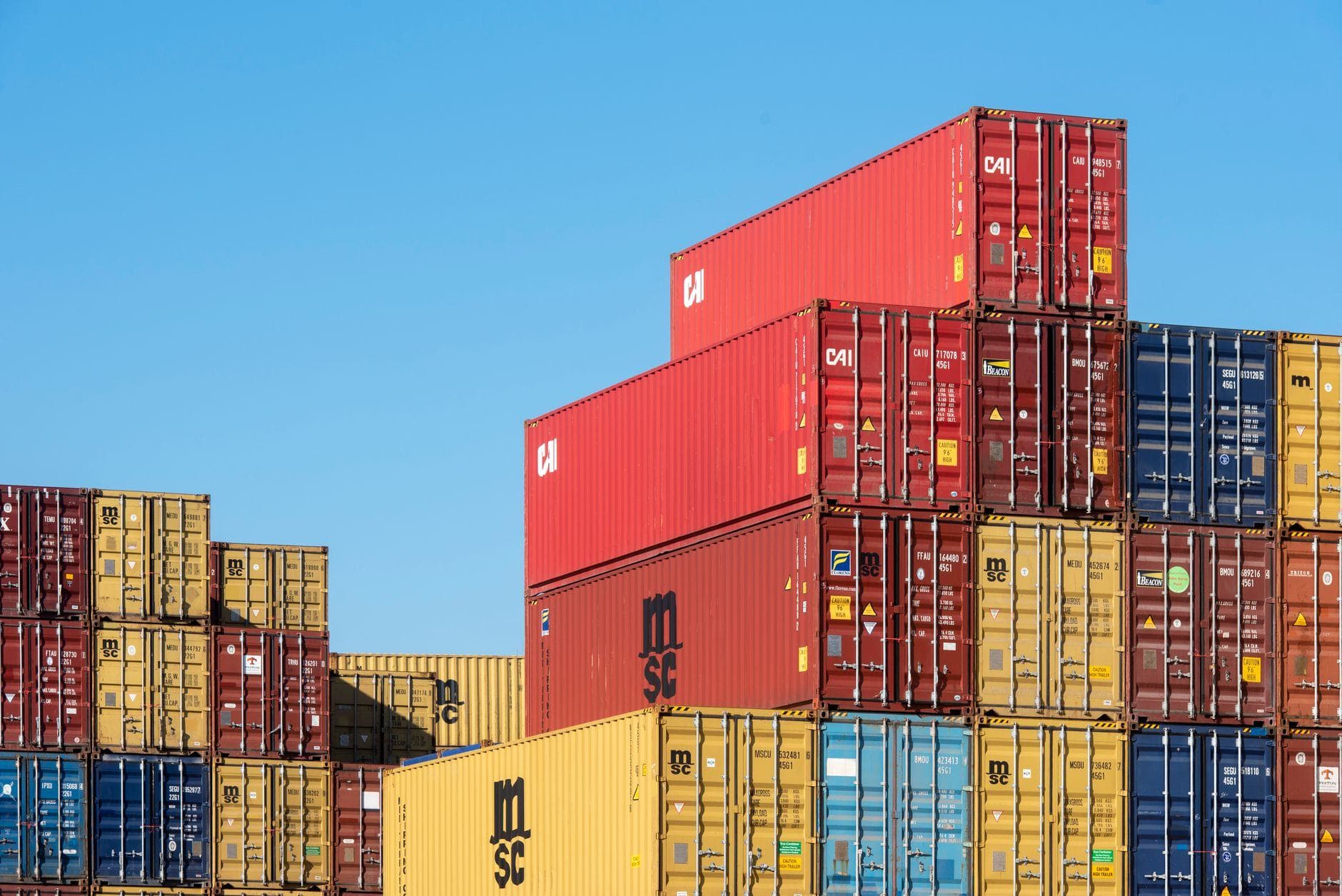
Chain of custody models: which one does your buyer need?
Identity preserved, segregated or mass balance? The model you run determines what you can honestly claim about origin.
Read article
EUDR explained: what exporters need to prove
The EU Deforestation Regulation puts the legal duty on EU importers, but the evidence has to come from the farm. Here is what your buyers will ask you for.
Read article