Chain of custody models: which one does your buyer need?
Identity preserved, segregated or mass balance? The model you run determines what you can honestly claim about origin.
By the POINT team
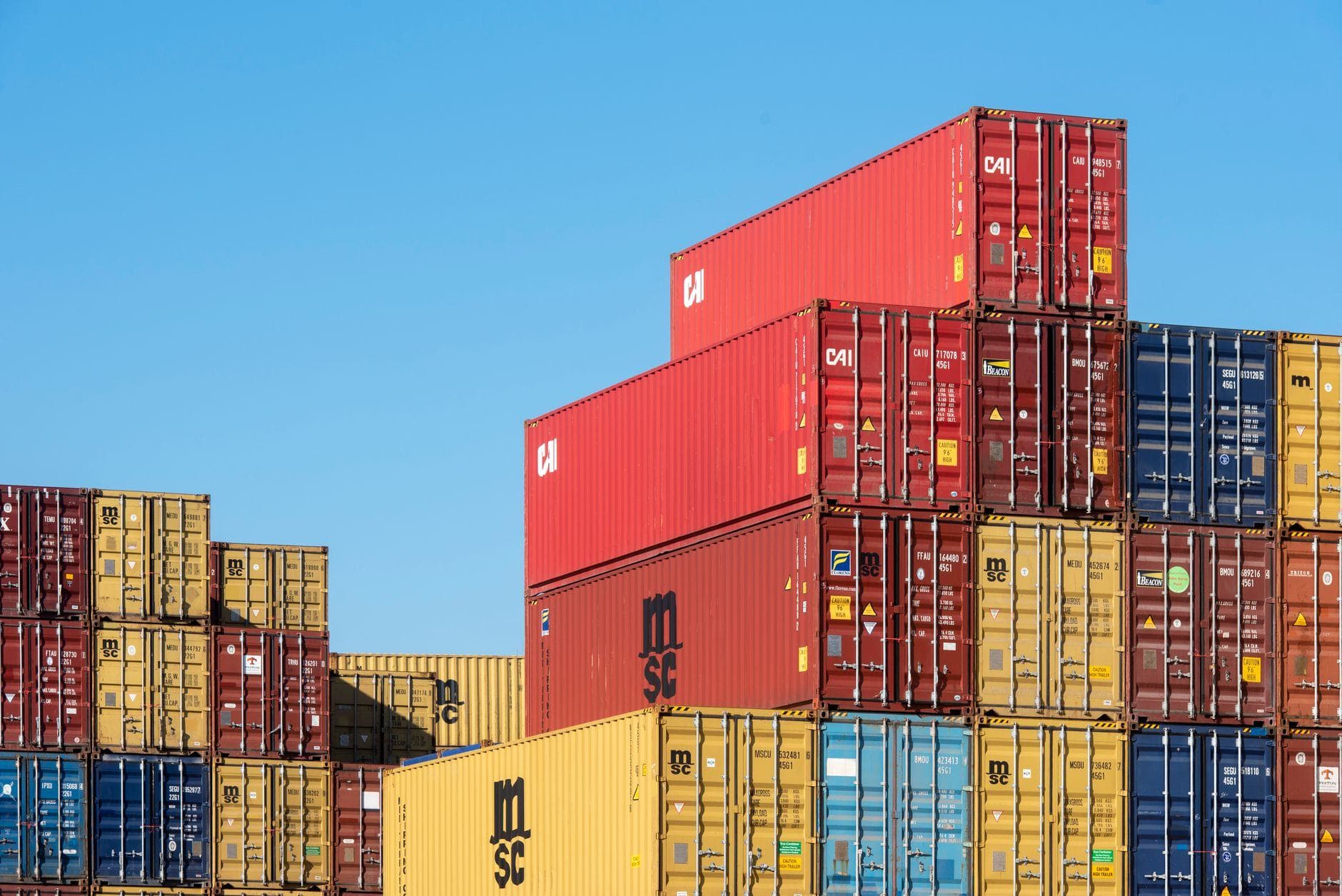
A chain of custody is the documented path a product takes from producer to buyer, including every handoff, every change of ownership and every point where lots are combined or split. How strictly you keep lots apart decides what you can say about where a product came from.
The common models
- Identity preserved. Product from a single source, such as one farm or one cooperative, is kept physically separate all the way to the buyer, who can name the exact origin.
- Segregated. Compliant product from several known sources is kept separate from everything else, but may be mixed with other compliant product. Every unit is compliant, but it can't be traced to one farm.
- Mass balance. Compliant and non-compliant product are physically mixed, and the books track how much compliant volume went in. The claim is about volumes on paper, not the physical product.
- Book and claim. Certificates are traded separately from the physical product, and there is no physical link at all.
What regulation accepts
Origin regulations such as the EUDR are concerned with the physical product. Every input in a shipment has to trace back to known plots that meet the requirements. In practice, mixing compliant product with product of unknown origin, as mass balance allows, does not work for EUDR-covered goods, because the unknown share makes the whole lot non-compliant.
That leaves segregation as the workable minimum for most exporters. Identity preservation is worth the extra cost when a buyer pays a premium for single-origin claims.
Where chains break
Custody rarely breaks at the farm. It breaks at aggregation points: the buying centre, the warehouse and the processing plant, where lots are combined, re-bagged or blended. Each of those steps needs a record showing which input lots went into which output lot, with weights that add up.
- Give every lot an ID that survives re-bagging, such as a label, a seal number or a QR code.
- Record transfers on both sides. The sender logs a dispatch, and the receiver confirms what arrived.
- Reconcile weights at every step, and explain losses such as drying, sorting and processing yield.
- Seal containers and record the seal numbers, so the last handoff before export is as clear as the first.
A custody record that holds together through these points becomes a lasting asset. It answers this year's due diligence questions and also the different questions the next regulation will ask.
Newsletter
Enjoyed this? Join the POINT community
Exporters, cooperatives, buyers and compliance teams use our updates to stay ahead of the rules. One email a month, no spam.
- Plain-language updates when trade rules change
- New guides and field notes from our team
- Invitations to POINT briefings and community sessions
Community
Learn from the people doing the work
Follow POINT for regulation news, field stories and behind-the-scenes from farms, mines and ports. Have a question or a story from the field? We'd love to hear it.
Keep reading
All insights
Polygon or point? Getting plot geolocation right
Six decimal places, four hectares and a closed boundary: the technical details that decide whether your plot data survives a buyer's review.
Read article
Inside a customs-ready compliance dossier
What goes into a single shipment's dossier, who reads which part, and why one file beats a folder of certificates.
Read article
EUDR explained: what exporters need to prove
The EU Deforestation Regulation puts the legal duty on EU importers, but the evidence has to come from the farm. Here is what your buyers will ask you for.
Read article