EUDR explained: what exporters need to prove
The EU Deforestation Regulation puts the legal duty on EU importers, but the evidence has to come from the farm. Here is what your buyers will ask you for.
By the POINT team
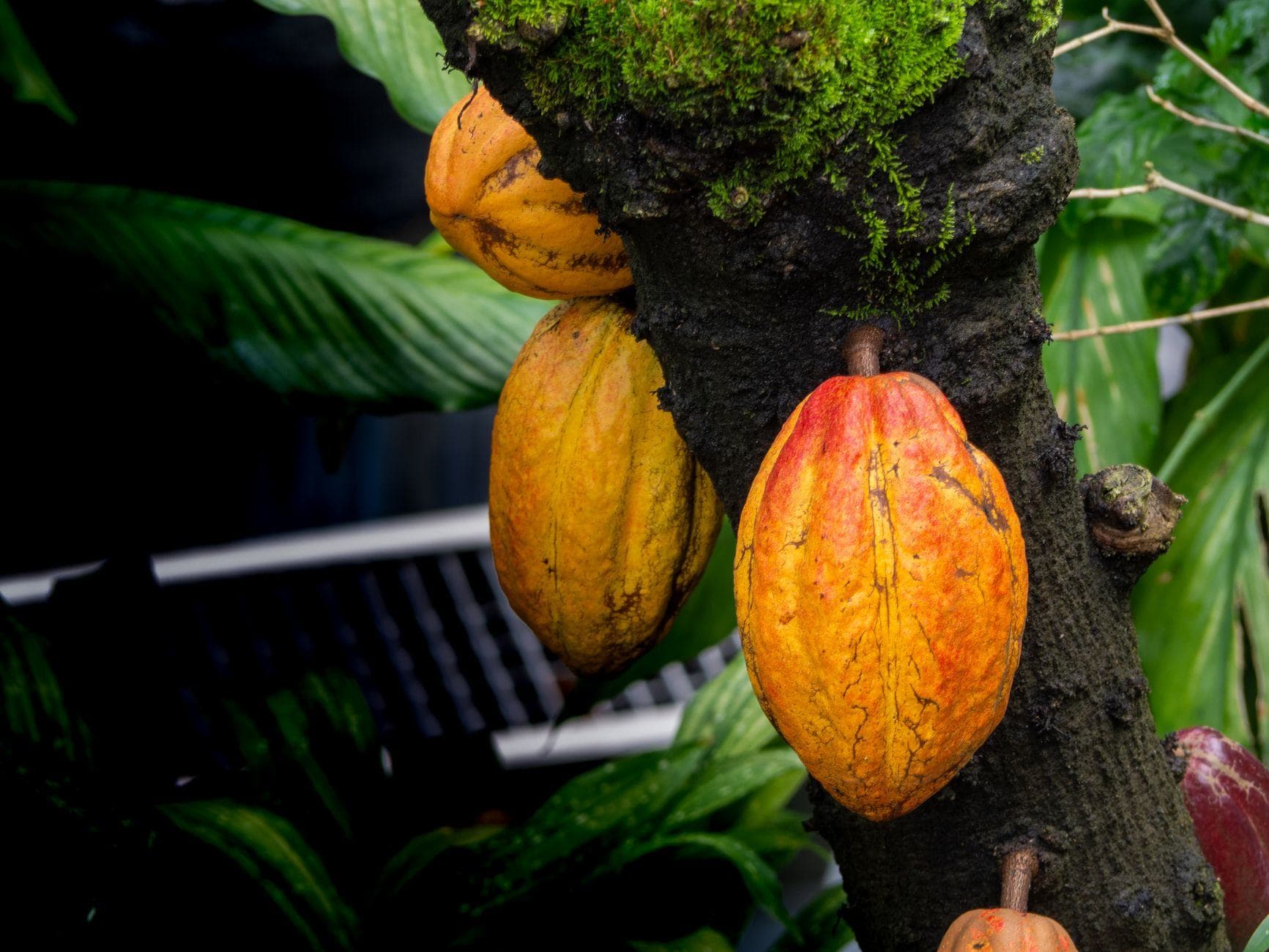
The EU Deforestation Regulation (Regulation (EU) 2023/1115, usually shortened to EUDR) changes who has to know where a commodity was grown. Before, origin was something you could describe on a certificate. Under the EUDR, an EU company placing a covered product on the market, or exporting it, must be able to point to the exact plots of land it came from.
If you export to Europe, you are probably not the company that files with the EU. But your buyer cannot file without your data, so the requirement lands on your desk all the same.
Which products are covered
The regulation covers seven commodities: cattle, cocoa, coffee, oil palm, rubber, soya and wood. It also covers many products made from them, listed in Annex I of the regulation, such as chocolate, leather, furniture, printed paper and palm-based derivatives.
Cashew, sesame and shea are not on the list. If you trade them, the EUDR does not apply directly, although many buyers now ask for similar origin evidence through their own sourcing policies.
The three conditions
A covered product can only be placed on the EU market, or exported from it, if it meets all three of these conditions:
- Deforestation-free. It was not produced on land that was deforested after 31 December 2020. For wood, the land must also not have been degraded after that date.
- Legal. It was produced in line with the relevant laws of the country of production, covering land use rights, labour, environmental protection, tax and anti-corruption rules, among others.
- Covered by a due diligence statement. The operator has done due diligence and submitted a statement to the EU's information system before the goods are placed on the market or exported.
What due diligence involves
Due diligence has three parts, and each one depends on information that starts with the producer:
- Collect information. This covers the product, its quantity, the supplier, the country of production and, above all, the geolocation of every plot of land where it was produced.
- Assess risk. The operator weighs the risk that the product is not compliant, taking into account the country's risk level, how complex the supply chain is, and any signs of deforestation or illegality.
- Mitigate risk. Where the risk is more than negligible, the operator takes further steps, such as asking for more documents, running independent audits or switching suppliers, until the risk is negligible.
The European Commission also classifies countries as low, standard or high risk. Products from low-risk countries qualify for simplified due diligence, but operators still have to collect the information in step one, including geolocation.
Geolocation is the hard part
Most of the work sits in the plot data. Every plot needs coordinates, and plots over four hectares need a full boundary polygon. A shipment of cocoa can easily draw on hundreds or thousands of smallholder plots, and all of them have to be linked to that shipment. Our guide to plot geolocation covers the details.
Penalties
EU member states set the penalties, and the regulation requires them to be effective and dissuasive. They include fines of up to at least 4% of the operator's total annual turnover in the EU, confiscation of the goods and the revenue from them, and temporary exclusion from public procurement. Faced with that exposure, buyers will turn away shipments they cannot verify.
What to prepare now
- A registry of every farmer and plot you buy from, with geolocation captured on the ground rather than estimated.
- A record linking each lot you buy to the plots it came from, kept through aggregation, processing and storage.
- Evidence of legal production, such as land documents, cooperative membership and permits, filed against each producer.
- A way to hand all of this to your buyer in the format their due diligence system expects.
The EUDR's application dates have been postponed more than once, and they differ by company size. Check the European Commission's EUDR pages for the dates that apply to your buyers. Building the evidence base takes longer than most exporters expect, so starting early is the safer choice.
Newsletter
Enjoyed this? Join the POINT community
Exporters, cooperatives, buyers and compliance teams use our updates to stay ahead of the rules. One email a month, no spam.
- Plain-language updates when trade rules change
- New guides and field notes from our team
- Invitations to POINT briefings and community sessions
Community
Learn from the people doing the work
Follow POINT for regulation news, field stories and behind-the-scenes from farms, mines and ports. Have a question or a story from the field? We'd love to hear it.
Keep reading
All insights
The OECD five steps for minerals and gold, in plain language
The OECD Due Diligence Guidance underpins most responsible sourcing rules for tin, tantalum, tungsten and gold. Here is what each step asks of a mine or exporter.
Read article
Polygon or point? Getting plot geolocation right
Six decimal places, four hectares and a closed boundary: the technical details that decide whether your plot data survives a buyer's review.
Read article
Five habits of reliable offline field collection
Most supply chains begin where the network ends. These are the working habits that keep field data trustworthy when there is no signal.
Read article